📋 Key Takeaways
- Ozempic face refers to the gaunt, aged facial appearance caused by rapid subcutaneous fat loss during GLP-1 weight loss therapy
- Risk factors include age over 40, losing more than 15% body weight, and naturally lean facial structure
- Prevention strategies include slower dose titration, collagen supplementation, and resistance training
- Malaysian treatment options range from dermal fillers (RM 800–2,000/syringe) to Profhilo (RM 1,200–2,000) and thread lifts (RM 3,000–8,000)
- Most facial volume loss is partially reversible with the right combination of treatments
⚕️ Medical Disclaimer: This article is for informational purposes only and does not constitute medical advice. Ozempic (semaglutide) is a prescription medication. Always consult a licensed healthcare provider before starting, stopping, or modifying any treatment. Individual results vary.
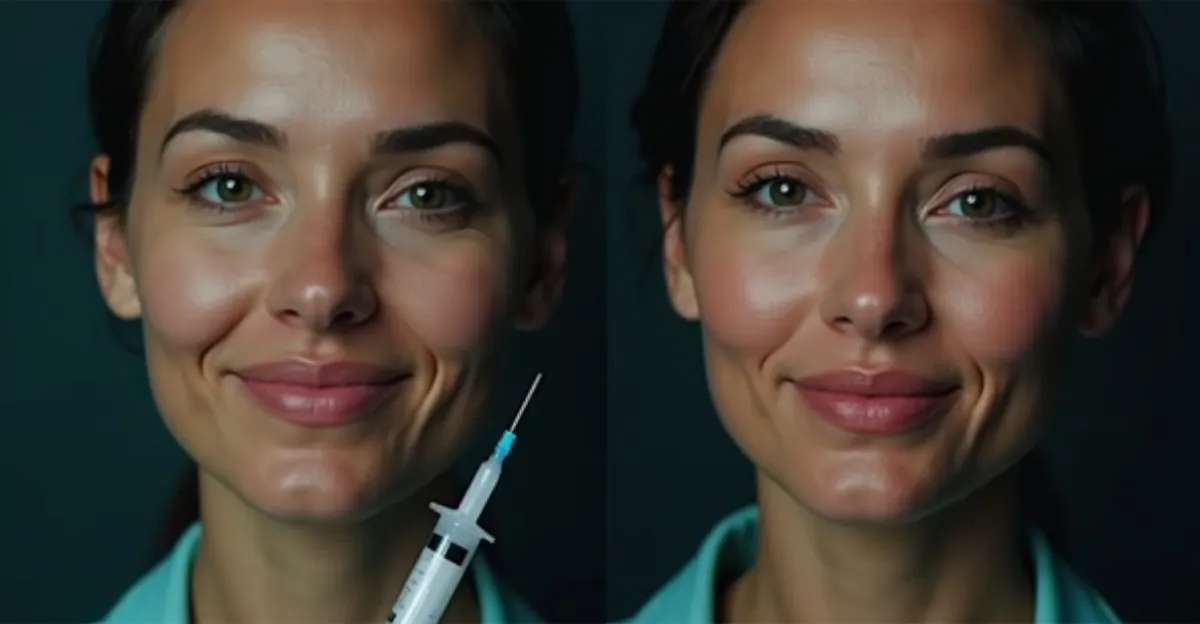
If you've been scrolling through social media lately, you've probably seen the before-and-after photos — celebrities and everyday people who lost dramatic amounts of weight on GLP-1 medications like Ozempic, only to look noticeably older in the face. The hollowed cheeks, sagging skin, and deepened wrinkles have earned their own nickname: Ozempic face.
But here's the thing — this isn't unique to Ozempic. Any rapid, significant weight loss can cause the same effect. GLP-1 medications just made it more visible because of how quickly and dramatically they work. In this guide, we'll break down exactly what's happening under the skin, who's most at risk, and what you can do about it — including treatment options available right here in Malaysia.
What Is Ozempic Face?
"Ozempic face" is a colloquial term coined by dermatologists and popularized by media in 2023–2024 to describe the facial aging that accompanies rapid weight loss from GLP-1 receptor agonist medications like semaglutide (Ozempic, Wegovy) and tirzepatide (Mounjaro).
The hallmark features include:
- Hollowed cheeks — loss of the buccal and malar fat pads
- Deepened nasolabial folds — the "parenthesis" lines from nose to mouth
- Sagging jowls — skin that no longer has underlying fat for support
- Under-eye hollowing — prominent tear troughs and dark circles
- Temple concavity — a skeletal appearance at the temples
- Overall "deflated" look — skin appears too large for the face
Dr. Paul Jarrod Frank, a New York dermatologist, is widely credited with coining the term in early 2023. He described it as patients who "look great from the neck down but aged 10 years in the face."
Why Does Ozempic Face Happen?
Subcutaneous Fat Loss Is Non-Selective
When you lose weight — whether through GLP-1 medications, caloric restriction, or surgery — your body doesn't let you choose where the fat comes off. GLP-1 receptor agonists reduce appetite, slow gastric emptying, and alter food reward signaling in the brain. The result is significant caloric deficit and fat mobilization from all depots, including the face.
The face contains several distinct fat compartments:
- Superficial fat pads (nasolabial, malar, jowl) — provide youthful fullness
- Deep fat pads (buccal, deep medial cheek) — provide structural support
- Periorbital fat — cushions around the eyes
When these fat pads shrink rapidly, the overlying skin — which doesn't contract at the same rate — sags and folds. This creates the characteristic aged appearance.
Collagen and Elastin Degradation
Research published in the Journal of Clinical Investigation suggests that rapid weight loss is associated with increased matrix metalloproteinase (MMP) activity, enzymes that break down collagen and elastin. A 2024 study in Obesity found that patients losing more than 1 kg/week had measurably higher MMP-1 and MMP-9 levels compared to those losing weight more gradually.
Additionally, when the body is in significant caloric deficit, it may downregulate collagen synthesis — your skin literally gets less structural protein at the exact time it needs more to adapt to your changing body shape.
Speed of Weight Loss Matters
This is the critical factor. Losing 20 kg over two years gives skin time to partially remodel. Losing 20 kg in four months — which is entirely possible on semaglutide 2.4 mg — doesn't. The faster the loss, the more pronounced the facial aging effect.
A 2023 retrospective analysis in Dermatologic Surgery found that patients who lost more than 10% of their body weight in under 6 months were 3.4 times more likely to seek facial rejuvenation procedures compared to those with slower weight loss timelines.
Who Is Most at Risk?
For Malaysians specifically, there's a cultural and genetic dimension worth noting. East and Southeast Asian facial structures tend to have relatively prominent malar (cheek) fat pads, which contribute significantly to a youthful appearance. Loss of these fat pads can be particularly noticeable.
Celebrity Examples and Public Awareness
The public conversation around Ozempic face accelerated when several high-profile figures displayed visible facial changes:
- Sharon Osbourne openly discussed looking "gaunt" after losing significant weight on Ozempic, calling her face "too skinny"
- Robbie Williams spoke about facial aging after his weight loss journey
- Numerous reality TV personalities have been photographed with noticeably aged facial appearances following dramatic GLP-1-assisted weight loss
These examples helped bring mainstream attention to what dermatologists had been observing for months — that the face often pays the price for rapid body transformation.
How to Prevent Ozempic Face
1. Slow Down the Weight Loss
The single most effective prevention strategy is a more gradual approach. Work with your prescribing doctor to:
- Follow the standard dose titration schedule (don't rush to maximum dose)
- Target 0.5–1 kg per week rather than 1.5–2 kg
- Consider maintaining a moderate caloric intake rather than extreme restriction alongside the medication
- Take dose holidays if weight loss is exceeding targets
Read our comprehensive guide on semaglutide side effects for more on managing your GLP-1 journey.
2. Collagen Supplementation
While the evidence is still emerging, several studies support collagen peptide supplementation for skin health during weight loss:
- A 2019 study in Nutrients found that 2.5–5g of collagen peptides daily for 8 weeks improved skin elasticity and hydration
- Hydrolyzed marine collagen may be particularly effective for facial skin
- Vitamin C co-supplementation (500–1000mg) enhances collagen synthesis
In Malaysia, quality collagen supplements range from RM 80–250 per month depending on type and brand. Check our guide to collagen supplements in Malaysia for specific product recommendations.
3. Resistance Training and Protein Intake
Maintaining muscle mass during GLP-1 therapy is crucial — not just for metabolic health but for facial appearance. The facial muscles (masseter, buccinator, orbicularis) provide some structural support:
- Aim for 1.6–2.2g protein per kg of body weight daily
- Perform resistance training 3–4 times per week
- Consider facial exercises (evidence is limited but low-risk)
4. Optimize Your Skincare
- Retinoids — stimulate collagen production (start with 0.025% tretinoin, increase gradually)
- Vitamin C serum — antioxidant protection and collagen support
- SPF 50+ — non-negotiable in Malaysia's tropical climate
- Hyaluronic acid — helps maintain skin hydration and plumpness
Treatment Options in Malaysia
If Ozempic face has already developed, several effective treatments are available at aesthetic clinics across KL, Penang, JB, and other major cities. Here's what you need to know:
Dermal Fillers: The Most Common Solution
Hyaluronic acid (HA) fillers remain the gold standard for restoring facial volume lost to weight loss. Popular brands available in Malaysia include Juvederm (by Allergan), Restylane (by Galderma), and Teosyal. A typical Ozempic face restoration might require 2–6 syringes across the cheeks, temples, and under-eyes — costing RM 1,600–12,000 total.
Most reputable aesthetic clinics in KL (Mont Kiara, Bangsar, KLCC area) and Penang (Georgetown, Gurney area) offer these treatments. Ensure your practitioner is a registered medical doctor with LCP (Letter of Credentialing and Privileging) for aesthetic procedures.
Profhilo: The Bio-Remodeling Approach
Profhilo is a newer option that's gaining popularity in Malaysian aesthetic clinics. Unlike traditional fillers that add volume, Profhilo uses ultra-pure hyaluronic acid to stimulate your own collagen and elastin production. It's injected at 5 specific bio-aesthetic points (BAP) on each side of the face.
The standard protocol is 2 sessions, 4 weeks apart, with maintenance every 6–9 months. It's particularly well-suited for Ozempic face because it improves overall skin quality rather than just filling specific areas.
Thread Lifts for Sagging
For patients with significant skin laxity — where the skin has sagged due to lost underlying volume — absorbable thread lifts can provide mechanical lifting while stimulating collagen along the thread tracks. PDO (polydioxanone) and PCL (polycaprolactone) threads are both available in Malaysia.
Thread lifts work best when combined with fillers: the threads lift and tighten, while the fillers restore volume. Expect some swelling and bruising for 5–7 days post-procedure.
For more options, see our guide to anti-aging treatments in Malaysia.
What Dermatologists Say
The consensus among dermatologists and aesthetic physicians is clear: Ozempic face is preventable and treatable, but ideally you should plan ahead.
Key recommendations from Malaysian aesthetic doctors include:
- Start prevention early — begin collagen support and skincare optimization when you start GLP-1 therapy, not after you notice facial changes
- Document your starting point — take standardized facial photos before beginning treatment so changes can be tracked objectively
- Budget for maintenance — if you're investing RM 1,500–3,000/month on GLP-1 medication, consider allocating a skincare and aesthetic budget alongside it
- Choose experienced injectors — facial volume restoration after weight loss requires different techniques than standard cosmetic enhancement; the fat pads have deflated asymmetrically and the injection plan needs to account for this
The Optimal Combination Approach
Most aesthetic physicians recommend a multi-modal approach for established Ozempic face:
- Phase 1 (Month 1–2): Profhilo for overall skin quality improvement (2 sessions)
- Phase 2 (Month 2–3): Strategic HA filler placement for volume restoration
- Phase 3 (Month 3–4): Thread lift if significant laxity persists
- Ongoing: Good skincare (retinoid, vitamin C, SPF), collagen supplementation, and maintenance treatments every 6–12 months
Total investment for a comprehensive restoration: approximately RM 5,000–15,000 depending on severity and chosen clinic.
The Bottom Line
Ozempic face is real, but it's not inevitable. The key is awareness and proactive management. If you're starting or already on GLP-1 therapy like Ozempic, take these steps:
- Don't rush the weight loss — follow standard dose titration
- Supplement with collagen peptides and vitamin C
- Maintain a strong skincare routine with retinoids and SPF
- Eat adequate protein and do resistance training
- Consult a qualified aesthetic doctor early if you notice changes
The goal of GLP-1 therapy is to improve your health and confidence — and with the right approach, you can achieve your weight loss goals without sacrificing your facial appearance.
Frequently Asked Questions
Is Ozempic face permanent?
Not necessarily. Some natural volume return can occur if weight stabilizes, and the facial fat pads partially recover. However, in patients over 40, the combination of fat loss and collagen degradation means full natural recovery is unlikely without intervention. Treatments like fillers and Profhilo can effectively restore appearance.
Does Ozempic face only happen with Ozempic?
No. "Ozempic face" is a misnomer — it can happen with any rapid significant weight loss, whether from semaglutide, tirzepatide (Mounjaro), bariatric surgery, or even extreme dieting. The term became popular because GLP-1 medications made dramatic weight loss much more common and visible.
How much weight loss triggers Ozempic face?
There's no exact threshold, but dermatologists generally observe noticeable facial changes when patients lose more than 10–15% of their starting body weight, especially if the loss occurs over less than 6 months. Individual variation is significant — facial fat distribution, age, and skin quality all play roles.
Can facial exercises prevent Ozempic face?
The evidence for facial exercises is limited but not zero. A small 2018 study in JAMA Dermatology found that a 30-minute daily facial exercise program over 20 weeks improved upper and lower cheek fullness. It won't fully prevent volume loss from fat pad depletion, but it may help maintain facial muscle tone as a complementary strategy.
Are Ozempic face treatments covered by insurance in Malaysia?
Generally no. Aesthetic treatments for facial volume loss are considered cosmetic procedures and are not covered by Malaysian medical insurance or government healthcare. These are out-of-pocket expenses. Some aesthetic clinics offer installment plans or credit card payment options.
See Also
- Peptides for Women: Collagen, Weight Loss & Hormone Support — Peptides specifically beneficial for women — from BPC-157 for gut healing to ...
- CJC-1295 + Ipamorelin: Growth Hormone Peptide Guide — Complete guide to CJC-1295 and Ipamorelin — the most popular growth hormone p...
- Exosome Therapy Malaysia: Costs, Clinics & Results — Everything you need to know about exosome therapy in Malaysia — costs, clinic...
Related Articles
- GLP-1 Diet Plan Malaysia: What to Eat on Ozempic or Mounjaro
- GLP-1 Weight Loss: The Complete Guide for Malaysians
- Mounjaro Malaysia: Tirzepatide Guide, Price & Availability
Medical Disclaimer: This content is for informational purposes only and does not constitute medical advice. Always consult a qualified healthcare provider before starting any treatment, supplement regimen, or making changes to your health routine. Individual results may vary, and what works for others may not work for you.